Why we crossed Ouessant with Shetland and Soay
An explanation of why we choose to cross our 7/8 rams with Shetland and Soay sheep
6/9/20262 min read
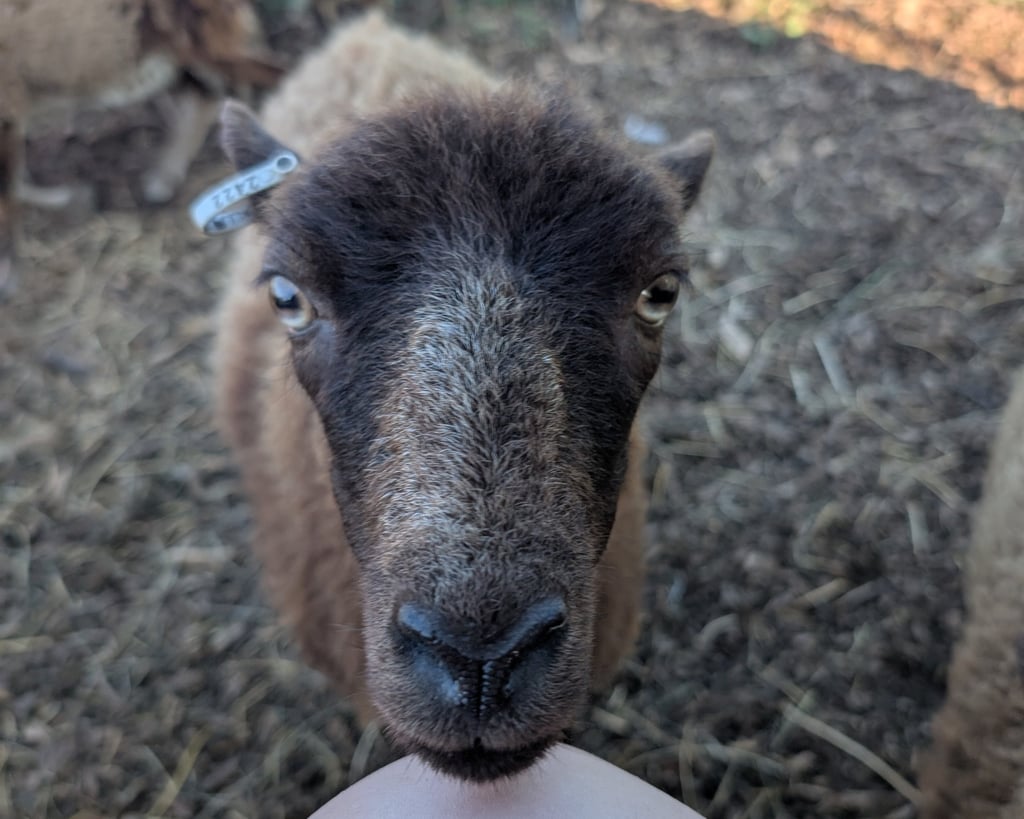
The decision to cross our seven-eighths Ouessant rams with our Soay and Shetland ewes was driven by a commitment to the future of the breed and a desire to make these incredible sheep accessible to more enthusiasts across the United States.
Ouessant sheep are incredibly rare in the US, and rams are even more difficult to locate. It is estimated that there are fewer than 150 Ouessant cross ewes over 50% in the country, and only a handful of rams exist. That scarcity makes them nearly impossible for the average enthusiast to find. By crossing our two seven-eighths rams with both our Soay and Shetland ewes, we are actively working to increase the overall population and help establish a broader foundation for the breed domestically.
The resulting offspring from these crosses are 43.75% Ouessant, which serves as an excellent starting point for someone looking to get involved with the breed. Right now, finding any available Ouessant genetics is a major challenge. There are no known breeders currently selling any of their ewes this year, as everyone is focusing on expanding their own flocks using the newly available imported semen. We are only parting with two ewes from our own flock this year. Next year, however, we project having twenty of these 43.75% Ouessant ewes available for new homes. Upbreeding is a time-consuming process that takes many years of careful planning, but these unique sheep are absolutely worth the wait.
Beyond increasing numbers, this specific breeding strategy solves a critical genetic challenge. Because semen imports were banned for nearly a decade, no new genetics were entering the US gene pool for a long time. As a result, the existing seven-eighths ewes in the country are currently line-bred. By crossing our rams with Soay and Shetland ewes, we have introduced a significant amount of genetic diversity into our program. Utilizing two distinct Soay lines and several different Shetland lines allows us to build a much healthier, more robust genetic foundation moving forward.
Affordability was another major factor in designing this program. Importing semen is an expensive endeavor, and the laparoscopic artificial insemination process carries significant costs alongside a low success rate. Because of those high input expenses, seven-eighths ewes typically sell for $1,500 each, which puts them out of reach for many people. Our 43.75% ewes are priced at $700, offering a much more accessible entry point. We have also priced the rams at $400 each, or two for $600, to help people start their own small projects without facing a massive financial barrier. Ultimately, crossing our rams with both the Soay and Shetland lines allows us to diversify the gene pool and support the growth of the breed, while helping more farmers bring these friendly, small-stature sheep to their own pastures.